
How to Measure Flour, Sugar, and Liquids for Baking
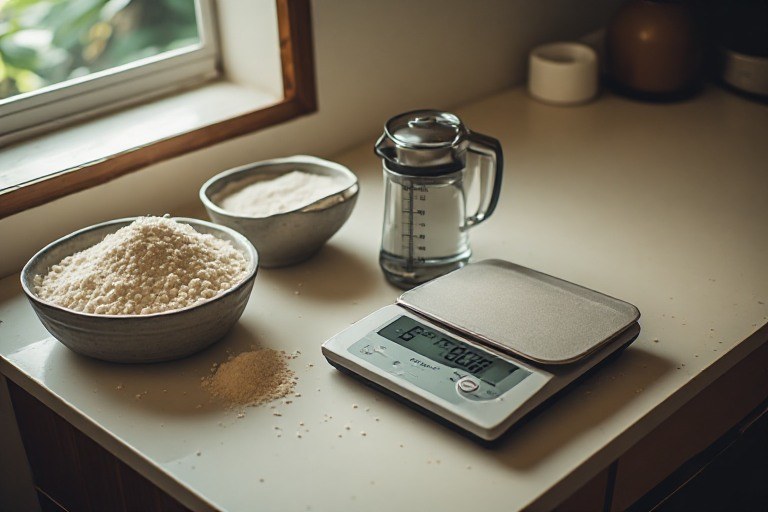
A measuring cup pushed into the flour bag can bring back more flour than one filled gently with a spoon. Both may look level, yet they do not necessarily contain the same amount. That difference is worth checking before you blame the mixing method for an unexpected batch. So, even just measuring floar sugar for baking is important.
Use the recipe’s ingredient weights when provided. If you are measuring by volume, follow its filling instructions: flour generally needs gentle handling, packed brown sugar needs deliberate pressure, and liquids need a clear reading at the marked line.
Start with the recipe’s measuring system
Look for grams, milliliters, cups, and any notes explaining how the publisher measures. Keep the stated units rather than switching between a collection of conversion charts midway through preparation.
A cup measures volume; grams measure weight. The same cup filled with different ingredients does not give one universal gram amount. Even flour measurements depend on how the cup is filled. King Arthur Baking’s ingredient weight chart provides ingredient-specific references and advises using the weight printed in the recipe when its figures differ from the chart.
Use proper measuring cups and spoons rather than a drinking mug or an eating spoon. If a recipe’s cup standard or measuring method is unclear, check the publisher’s notes before converting it. For the broader preparation checks, see Getting Ready to Bake: A Guide to Ingredients, Tools, and Recipe Instructions.
How to weigh ingredients with a kitchen scale
Weighing lets you follow a supplied gram quantity without deciding how firmly to fill a cup. The useful habit is resetting the display with the container already in place.
- Set the scale on a firm, level surface and select grams when the recipe uses grams.
- Place an empty bowl on the platform.
- Press tare or zero, then check that the display reads zero.
- Add the ingredient gradually, slowing down as you approach the required weight.
- Record or check the amount before resetting the scale for another ingredient.
The tare function excludes the bowl’s weight and can reset between additions, as described in King Arthur Baking’s scale guide. Add ingredients to the same bowl only when the recipe allows them to be combined at that stage.
For a beginner, weighing into a separate small bowl can make an overshoot easier to correct. Once excess sugar has fallen into flour, separating it again is awkward. Keep the ingredient separate until you are satisfied with the amount, then transfer it as the method directs.
How to measure flour without a scale
First check whether the recipe specifies a particular method. When it calls for spooned-and-leveled flour, use this sequence:
- Stir the flour gently in its container to loosen it.
- Spoon it into a dry measuring cup, allowing it to rise slightly above the rim.
- Sweep a straight edge across the rim to remove the excess.
- Transfer the measured flour to its bowl without pressing it down.
Avoid tapping the cup on the counter, shaking it to settle the contents, or packing in another spoonful. Those actions change how much flour fits into the same space. King Arthur Baking’s flour-measuring demonstration shows its fluff, sprinkle, and scrape technique.
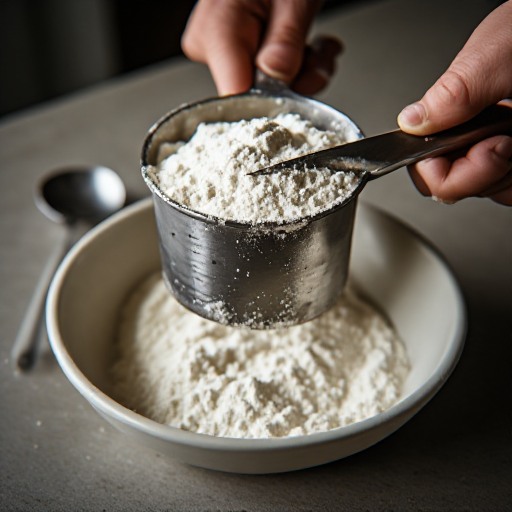
A dry measuring cup has a rim you can level across. A liquid jug leaves space above its measurement lines, so it is awkward to level flour accurately inside it. Keep the flour loose and the top flush with the cup rather than judging a mound by eye.
If the recipe mentions sifting, check whether it wants the flour sifted before or after measuring. Follow that sequence instead of treating sifting as an optional finishing step. If the wording leaves you unsure, consult the recipe notes before proceeding.
Measure sugar according to its type
Sugar is not one measuring category. Read both the ingredient name and words such as packed or sifted before filling the cup.
Granulated sugar
Fill a dry measuring cup and sweep the surface level. Do not deliberately compress it as you would packed brown sugar. Use the specified sugar type rather than assuming that granulated, caster, and icing sugar are interchangeable because they are all sweet.
Brown sugar
When the recipe calls for packed brown sugar, break up lumps, spoon it into a dry cup, and press it down to remove gaps. Add more as needed, then level the top. If it says lightly packed, use lighter pressure rather than forcing it in firmly.
Mississippi State University Extension’s dry-ingredient guide distinguishes ordinary dry ingredients from brown sugar and explains following the requested degree of packing. If the recipe provides a weight, weigh that amount directly; you do not need to pack a cup first.
Icing or powdered sugar
Use the recipe’s weight when available. For a volume measurement, loosen the sugar, spoon it lightly into a dry cup, and level it without packing. Follow any instruction about sifting before measuring. Utah State University Extension’s measuring guidance covers powdered sugar and other ingredient-specific methods.
How to measure liquids clearly
For pourable ingredients such as water, milk, or oil, use a clear liquid measuring cup or jug with the required markings. Set it on a flat surface, pour slowly, and bring your eyes level with the measurement line before adjusting the amount.
Read the liquid while the jug rests on the counter. Holding it in the air can tilt the surface; looking down from above makes alignment harder to judge. King Arthur Baking’s Recipe Success Guide recommends a liquid measure and an eye-level reading.
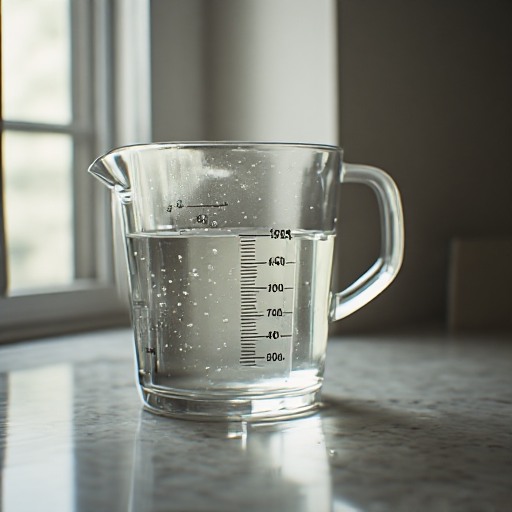
If the recipe supplies a liquid’s weight, you can weigh it in a suitable container after taring. If it supplies only milliliters, measure that volume rather than assuming the same number of grams applies to every liquid. Use an ingredient-specific conversion if you need to change units.
Thick ingredients need a different approach. Yogurt, sour cream, and peanut butter do not settle into a flat surface like water. When measuring these by volume, use a dry cup, fill without gaps, and level the top. King Arthur Baking explains this distinction between dry and liquid measures.
Check an error before trying to fix the mixture
If you notice an uncertain measurement while the ingredient is still separate, remeasure it. That is usually simpler than guessing how much extra liquid or flour will balance the mistake after mixing.
| What happened | What to check next |
|---|---|
| Flour was scooped directly from the bag | Check the recipe’s filling method; remeasure gently if it calls for spooning and leveling. |
| Brown sugar was loosely filled | Check whether the ingredient list says packed and whether a weight is supplied. |
| The scale included the bowl | Start again with the bowl in place and tare before adding the ingredient. |
| A liquid was read from above | Put the jug down and check the line at eye level. |
| Different charts give different gram amounts | Prefer the recipe publisher’s own weight or measuring guidance. |
Once everything is combined, avoid making a chain of compensating additions based on an amount you cannot reconstruct. Note what happened, then use recipe-specific troubleshooting rather than assuming every thick batter needs more liquid or every sticky dough needs more flour.
Keep the measuring routine easy to repeat
Before mixing, check the ingredient, unit, amount, and filling method against the recipe. Keep measured ingredients distinguishable from those still waiting to be measured. The practical arrangement belongs in How to Prepare Your Baking Station Before Starting a Recipe.
A useful routine is quiet and repeatable: tare before weighing, level the ingredients that need leveling, pack only when instructed, and read liquids with the jug resting flat. With those quantities settled, you can pay closer attention to what happens next in the bowl.
Bake & panduan terkait
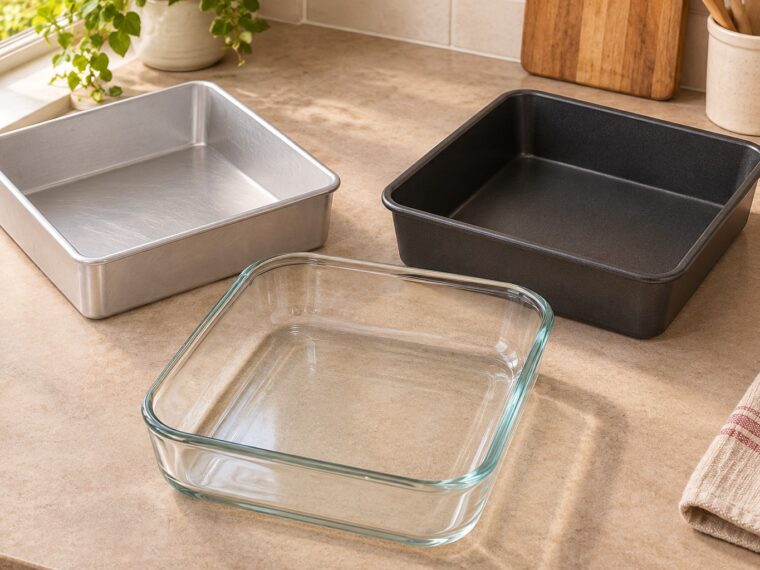
Light Metal, Dark Metal, or Glass: Choosing a Baking Pan
The pan beneath your batter affects more than its shape. Learn when light metal, dark metal, or glass…
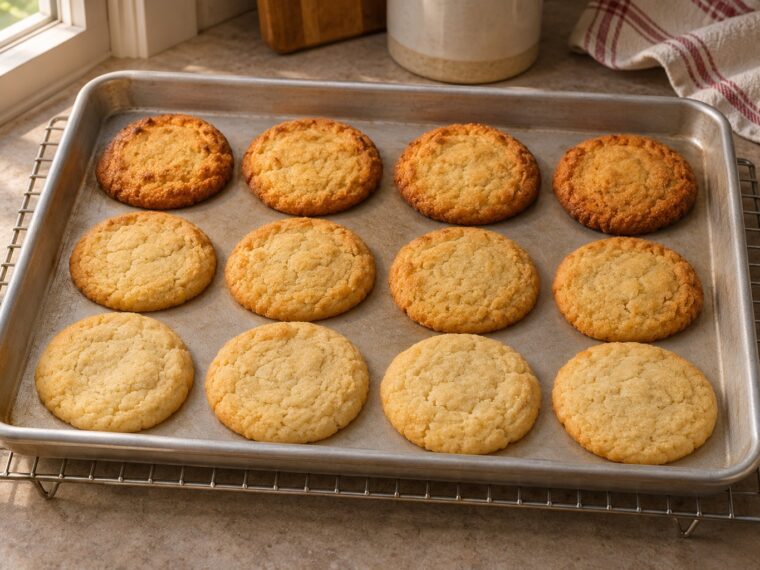
Why Bakes Brown on One Side: Rack Placement and Oven Hot Spots
A darker back row of cookies does not automatically mean the oven is too hot. Follow the browning…
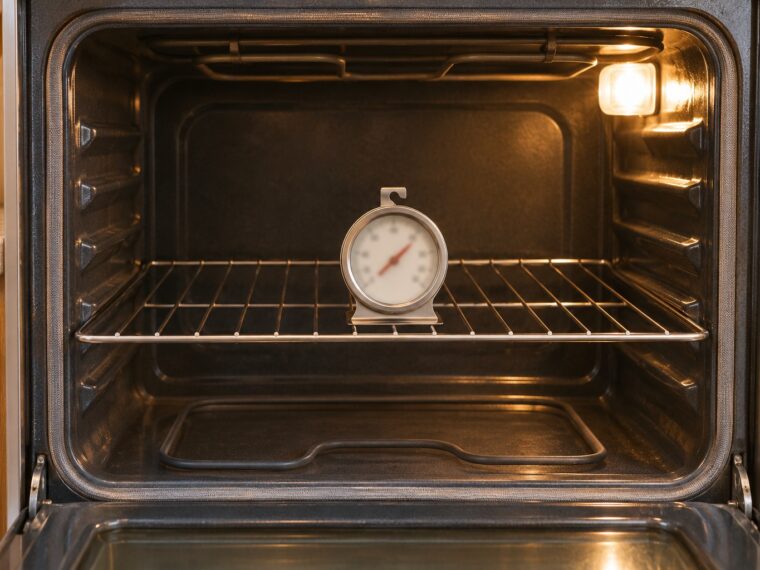
How to Use an Oven Thermometer Before Adjusting a Recipe
One low thermometer reading does not prove your oven runs cold. Keep the setup consistent, observe repeated heating…